
How Asphalt Sealing Protects Your Driveway From Damage
Local contractors specializing in asphalt sealing can help protect your driveway from damage by creating a barrier that prevents cracks, water intrusion, and surface deterioration.
If you’ve ever wondered how asphalt sealing can help preserve the condition of your driveway, you’re in the right place. Property owners in the area often explore this topic because a well-maintained driveway not only improves curb appeal but also prevents costly repairs down the line. Understanding how asphalt sealing protects your driveway from damage can be a practical step toward extending its lifespan and maintaining its appearance, especially in regions where weather fluctuations and regular wear-and-tear are common concerns.
Local contractors who specialize in asphalt sealing offer services that can effectively shield your driveway from the elements and daily use. By applying a protective sealant, these professionals help create a barrier that resists moisture penetration, reduces the risk of cracks, and prevents surface deterioration. Keep reading to learn more about how asphalt sealing works and how trusted service providers in the area can help keep your driveway in top condition for years to come.
- New driveway installation - homeowners seeking to protect fresh asphalt from early damage often turn to local contractors for sealing services.
- Cracked or worn driveway repair - property owners noticing surface deterioration may request asphalt sealing to prevent further damage, with local pros applying protective coatings.
- Routine driveway maintenance - those looking to extend the lifespan of their driveway frequently contact service providers for sealing as a preventative measure.
- Weather-related damage prevention - residents in areas with harsh weather conditions may seek asphalt sealing to shield their driveway from freeze-thaw cycles and moisture damage, handled by local experts.
- Heavy vehicle use protection - businesses or homeowners with frequent heavy vehicle traffic may rely on local contractors to seal asphalt and guard against surface deformation and cracking.
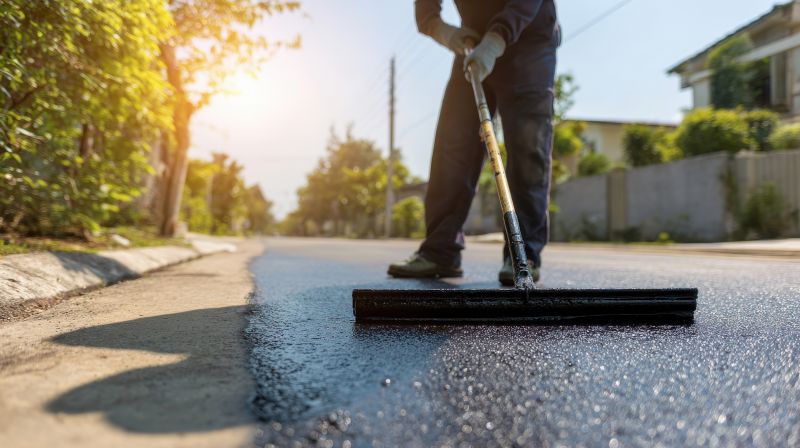
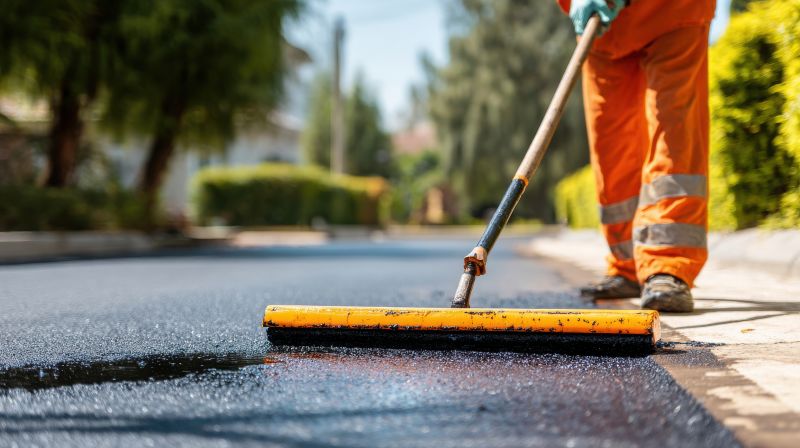
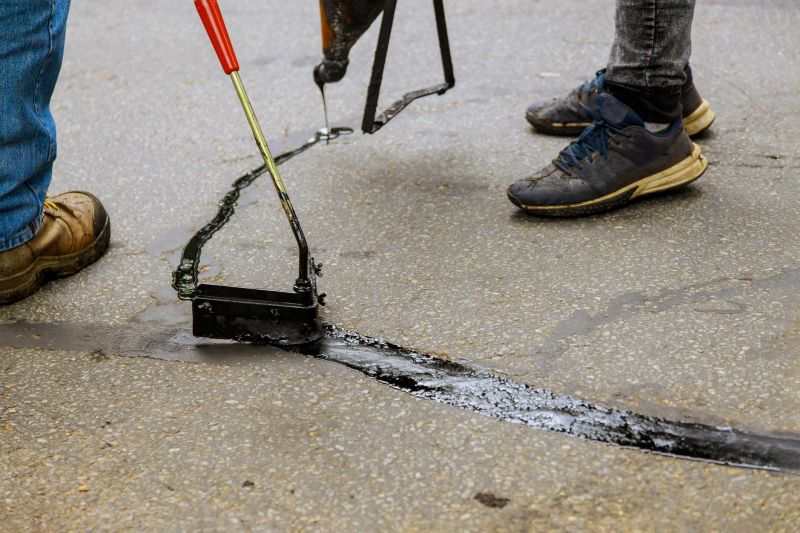
When homeowners search for how asphalt sealing protects their driveway from damage, they are often looking for ways to extend the lifespan of their paved surfaces and prevent costly repairs. This topic typically relates to concerns about common issues such as cracking, surface deterioration, and the effects of weathering that can compromise the integrity of asphalt driveways. People may also be planning maintenance projects or considering preventative measures to keep their property looking its best and functioning safely. Understanding how asphalt sealing acts as a protective barrier helps homeowners make informed decisions about maintaining their driveway and choosing the right local contractors for the job.
The problems associated with unprotected asphalt driveways often include damage caused by water infiltration, UV rays, and temperature fluctuations. Water can seep into tiny cracks, leading to larger potholes or structural weakening over time. UV exposure causes the asphalt surface to become brittle and fade, accelerating surface wear. Temperature changes, especially freeze-thaw cycles, can cause the pavement to expand and contract, creating cracks that allow further damage. Many property owners plan asphalt sealing treatments as part of their ongoing maintenance strategy to prevent these issues from worsening, ensuring their driveway remains durable and safe for everyday use.
Properties that typically come up in discussions about asphalt sealing include residential homes, apartment complexes, and commercial properties with parking lots or driveways. Residential driveways are often the primary focus because they are highly visible and subjected to daily wear. Larger properties such as apartment complexes or retail centers also benefit from sealing to protect extensive paved areas from the same types of damage. These properties usually require the expertise of local service providers who understand the specific needs of different asphalt surfaces and can recommend appropriate sealing products to maximize protection and longevity.
Connecting with experienced local contractors is essential for effective asphalt sealing. Professionals assess the condition of the driveway, prepare the surface properly, and apply sealing materials designed to create a durable, protective layer. This layer helps prevent water penetration, shields against UV damage, and reduces the impact of temperature fluctuations. Homeowners and property managers can benefit from comparing local pros to find those with a solid reputation for quality work and reliable service. Proper sealing by skilled service providers ensures that the driveway maintains its appearance and structural integrity, ultimately saving money on repairs and preserving property value over time.
Paving projects - paving driveways, walkways, or parking lots require planning and surface preparation similar to asphalt sealing to ensure durability and protection against damage.
Concrete sealing services - sealing concrete surfaces involves similar techniques and tools as asphalt sealing to prevent surface deterioration and extend lifespan.
Driveway repair and patching - repairing cracks and surface damage aligns with asphalt sealing efforts to maintain a smooth, protected surface that resists future damage.
Surface coating and resurfacing - applying protective coatings on various surfaces requires planning and surface prep akin to asphalt sealing to ensure effective protection.
Crack filling and asphalt patching - filling cracks and patching damaged areas are essential steps that complement asphalt sealing in preventing further deterioration.
Pothole repair services - fixing potholes involves surface assessment and repair techniques similar to those used in asphalt sealing to maintain surface integrity.
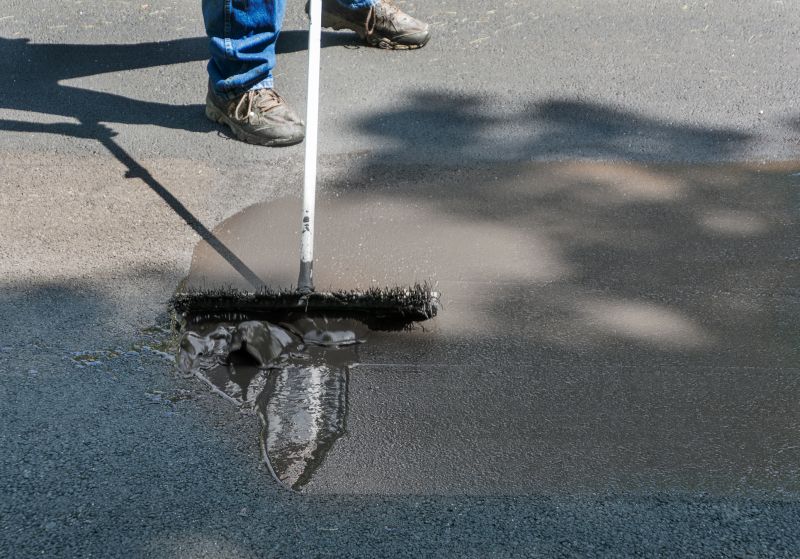
When comparing asphalt sealing services, it’s important to consider the experience of local contractors with similar projects. An experienced service provider will have a track record of applying sealers effectively to protect driveways from common types of damage, such as cracking, surface deterioration, and water infiltration. Inquiring about their past work or requesting references can help gauge their familiarity with driveway sealing and their ability to deliver quality results. This background ensures that the contractor understands the specific needs of your driveway and can recommend the most suitable sealing solutions to enhance its durability.
Clear written expectations are essential when evaluating asphalt sealing services. A reputable local contractor will provide detailed information about the scope of work, the materials used, and the steps involved in the sealing process. This transparency helps homeowners understand what will be done and what results to anticipate, reducing misunderstandings or surprises. Ensuring that all aspects of the project are documented in writing can also serve as a reference for future maintenance or questions, fostering a smoother working relationship and better overall satisfaction.
Good communication and reputable references are key indicators of a dependable service provider. When speaking with potential contractors, homeowners should assess how well they listen to questions and explain their approach. Asking for references from previous clients can provide insights into the contractor’s reliability, professionalism, and the quality of their work. A contractor who communicates clearly and has positive feedback from past customers is more likely to deliver a sealing service that effectively protects the driveway from damage and meets expectations. Making informed comparisons based on these factors can help homeowners select the most qualified local pros for their project.
Property owners often search for how asphalt sealing protects your driveway from damage when they are planning practical projects around their homes and businesses. Local pros provide Asphalt Sealing services for everyday jobs and straightforward project options.
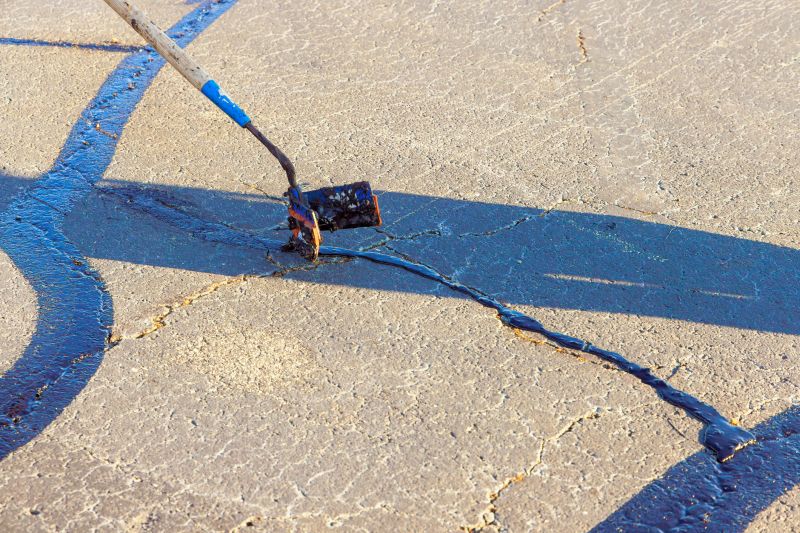
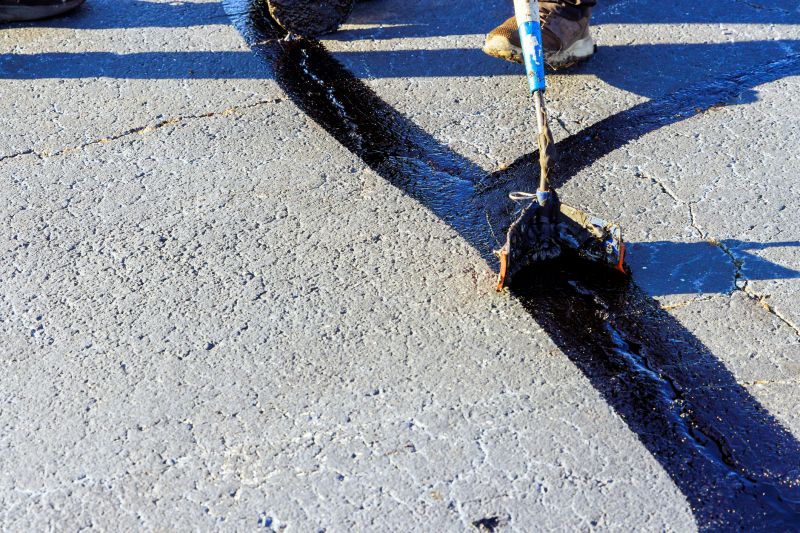
Understanding how asphalt sealing protects your driveway from damage is a common concern for property owners looking to preserve their outdoor spaces. Everyday situations, like heavy rain, freezing temperatures, or frequent vehicle traffic, can take a toll on an unprotected driveway, leading to cracks, potholes, and surface deterioration. Local contractors offer asphalt sealing services that create a protective barrier, helping to prevent moisture from seeping into the asphalt and causing damage over time. This simple maintenance step can extend the lifespan of a driveway and keep it looking well-maintained, making it a practical consideration for homeowners wanting to avoid costly repairs in the future.
Many property owners seek out asphalt sealing services to safeguard their driveways against the wear and tear caused by daily use and environmental factors. Over time, exposure to sunlight and temperature fluctuations can cause asphalt to become brittle and prone to cracking. Local service providers can apply sealants that fill surface imperfections and add a protective coating, which helps resist damage from water, UV rays, and vehicle traffic. This proactive approach can help maintain the driveway’s appearance and structural integrity, making it an effective way to protect one of the property’s most visible features.
How does asphalt sealing help prevent damage to a driveway? Asphalt sealing creates a protective barrier that shields the surface from moisture, UV rays, and chemicals, reducing the risk of cracks and deterioration. Local contractors apply these sealants to extend the lifespan of driveways and maintain their appearance.
Can asphalt sealing reduce the impact of weather-related damage? Yes, asphalt sealing helps minimize damage caused by freeze-thaw cycles, rain, and sun exposure by sealing small cracks and preventing water infiltration, which can lead to more significant issues over time. Local service providers can assess and apply the appropriate sealant for optimal protection.
Why is sealing important for preventing cracks and potholes? Sealing fills small cracks and creates a barrier that prevents water from seeping in and expanding them, which can otherwise develop into potholes. Local pros use specialized products to help keep driveways smooth and durable.
How often should a driveway be sealed to maintain protection? Typically, asphalt driveways benefit from sealing every 2 to 3 years, depending on usage and weather conditions. Local contractors can recommend a maintenance schedule based on the driveway’s specific needs.
Does asphalt sealing help protect against chemical spills and stains? Yes, sealing helps prevent stains from oil, gasoline, and other chemicals by creating a resistant surface, making cleanup easier and helping maintain the driveway’s appearance. Local service providers can ensure proper application for effective protection.
Preventing Water Damage - Asphalt sealing helps prevent water from seeping into the driveway surface, reducing the risk of cracks caused by freeze-thaw cycles with the help of local contractors.
Reducing Oil and Chemical Stains - Applying sealant creates a protective barrier against oil, gasoline, and other chemicals that can deteriorate asphalt over time, with local pros providing expert application.
Minimizing Cracks and Potholes - Sealing the surface helps to fill small cracks and prevent them from expanding into larger damage, supported by local contractors experienced in proper sealing techniques.
Enhancing Surface Durability - Regular asphalt sealing from local service providers can extend the lifespan of a driveway by shielding it from everyday wear and tear.
If you are thinking about how asphalt sealing protects your driveway from damage for a property, this guide is meant to help you understand this topic, the typical project types, and how different options might fit your plans.
When you are ready, you can use the quote form on this page to share a few details about your project. From there, local pros can review the basics and follow up with options that match what you have in mind.